
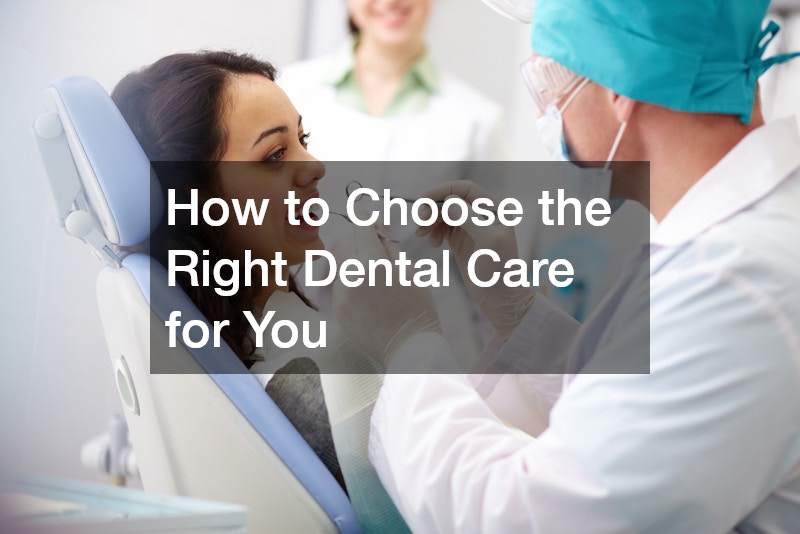
The human mouth is far more than just a tool for speaking and eating; it is a primary gateway to your body’s overall systemic well-being. For decades, medical research has consistently demonstrated a profound connection between oral health and the rest of your body. Harmful bacteria that originate in inflamed gums can enter the bloodstream, contributing to severe medical conditions such as cardiovascular disease, endocarditis, and potentially complicating pregnancies. Furthermore, conditions like diabetes can lower your body’s resistance to infection, making periodontal issues more severe and harder to manage. Therefore, selecting the right provider is not merely about maintaining a bright smile; it is a critical component of your holistic health strategy.
Despite the high stakes, the process of finding the right provider often feels incredibly overwhelming. We live in an era characterized by the paradox of choice. A simple online search yields hundreds of clinics within a ten-mile radius, each boasting five-star reviews, state-of-the-art technology, and promises of pain-free experiences. When you combine this sheer volume of options with conflicting patient testimonials, confusing clinical jargon, and the notoriously complex landscape of benefit plans, it is entirely understandable why so many people delay making a choice until they are forced to do so by a sudden toothache.
What this guide delivers is a comprehensive, step-by-step blueprint designed to cut through the noise and confusion. You do not need to settle for a clinic that simply happens to be taking new patients. By systematically auditing your family’s needs, streamlining your logistical boundaries, verifying professional credentials, decoding the financial mechanics, and physically assessing the clinical environment, you can make an empowered decision. This article will provide you with the actionable tools and insights required to find a lifelong clinical partner who aligns perfectly with your medical goals, your lifestyle, and your budget.
1. Audit Your Family’s Unique Oral Health Requirements

Map out your immediate treatment needs and long-term wellness goals
Before you even begin typing search terms into a directory, you must take a comprehensive inventory of what you and your family actually require. Every patient is different, and a clinic that is perfect for a single young professional might be entirely inadequate for a multi-generational family. The foundation of a successful clinical relationship begins with a clear understanding of your own baseline.
Categorizing Current Health Statuses
Your first step is to evaluate the immediate needs of every individual who will be receiving care under this new provider.
-
Pediatric Needs: If you have young children, you need a practice that excels in behavioral management. A child’s early experiences in the chair dictate their lifetime attitude toward oral maintenance. You should look for practitioners who use tell-show-do techniques and have environments designed to reduce pediatric anxiety.
-
Adult Maintenance: For most adults with relatively healthy mouths, routine exams, scaling, and the occasional filling will be the primary focus.
-
Geriatric and Restorative Needs: Older adults often face unique challenges such as dry mouth (xerostomia) caused by medications, receding gums, or the need for prosthetics like crowns, bridges, or dentures.
Anticipating Future Treatments
You should aim to build a relationship that lasts decades, which means looking beyond your current circumstances. Consider where your family will be in five to ten years. If you have pre-teens, orthodontic evaluations will soon become a priority. If you are an older adult, you might eventually need discussions about implants or advanced periodontal therapies. A practice that provides a wide spectrum of general dentistry can seamlessly scale with you, preventing the need to transfer your records and rebuild trust with a new team every time your health situation evolves.
Evaluating Care Scope
It is vital to understand the structural differences between various types of practices. Some clinics operate on a boutique model, focusing strictly on basic maintenance and referring everything else out. Others operate as comprehensive hubs. When you are looking at the broad spectrum of dental services a clinic offers, consider whether you prefer the intimacy of a small, single-provider office or the convenience of a multi-specialty group practice where specialists periodically visit the same building.
Actionable Checklist for Your Audit:
List the age and specific health conditions of each family member.
Note any past traumas or anxieties related to medical settings.
Identify any known upcoming procedures (e.g., wisdom teeth removal, braces).
Decide if you prefer a solo practitioner or a multi-doctor clinic.
2. Streamline the Logistics and Geographic Boundaries

Map a strict commute radius and request transparent fee schedules
Even the most highly skilled clinician in the world is of no use to you if you cannot consistently make it to your appointments. Human nature dictates that the more difficult something is to accomplish, the less likely we are to do it. When it comes to routine medical maintenance, convenience is not a luxury; it is a primary driver of compliance and long-term health success.
The 15-Minute Rule
When narrowing down your search, draw a strict geographic boundary around your home, your workplace, or your child’s school. Ideally, your chosen practice should be no more than a 15-minute commute away. Why? Because a bi-annual checkup should not require you to take a half-day off work. When an office is nearby, it is significantly easier to pop in for a quick diagnostic check if you feel a sudden sensitivity. Conversely, if your clinic requires a 45-minute drive through heavy traffic, you are highly likely to reschedule or completely cancel appointments when your daily schedule gets hectic. An excellent local dentist ensures that geography never becomes a barrier to your consistent care.
Assessing Office Hours
Traditional office hours of 9:00 AM to 5:00 PM, Monday through Thursday, are incredibly restrictive for the modern working family. You must critically evaluate the scheduling flexibility of a prospective practice.
-
Early Mornings: Do they offer 7:00 AM appointments so you can be seen before heading to the office?
-
Evenings: Are there extended hours until 7:00 PM one or two days a week for after-school or after-work visits?
-
Weekends: Does the practice open on Saturdays for those who simply cannot step away during the workweek?
Finding a practice that molds to your lifestyle drastically reduces the friction of maintaining your routine appointments.
Navigating Baseline Pricing
Transparency in pricing is a hallmark of an ethical business. Before committing to an initial exam, you have every right to understand the financial expectations. Call the front desk and ask for their baseline fees for standard diagnostic codes, specifically a comprehensive new patient exam, a full-mouth series of X-rays, and a routine prophylaxis. While they cannot quote you for complex restorative work without seeing you, they should be able to instantly provide the costs for these basic entry-level procedures. If the front desk is evasive or refuses to provide baseline numbers, consider it a red flag. Finding a high-quality yet affordable dentist requires you to advocate for yourself and demand financial clarity from the very first phone call.
| Feature | Low Friction (Ideal) | High Friction (Warning) |
| Commute | Under 15 minutes, easy parking | Over 30 minutes, paid/difficult parking |
| Hours | Includes early morning, evening, or weekend slots | Strictly 9-5, closed on Fridays |
| Pricing | Transparent, openly shared baseline fees | Evasive, refuses to discuss fees over the phone |
3. Verify Professional Credentials and Practice Specializations

Check state licensing databases and ask about in-house referral policies
Trust is the currency of any successful patient-provider relationship, but trust should never be given blindly; it must be verified. The clinical skills, educational background, and ethical standing of the practitioner will directly dictate the quality of care you receive. You must approach this phase of your search with an investigative mindset.
Confirming Clean Records
Every practitioner is regulated by a state medical or licensing board, and these boards maintain public databases that are easily accessible online. You should never assume a provider is in good standing simply because they have a beautiful website.
-
Locate your state’s licensing board website.
-
Type in the practitioner’s full name.
-
Verify that their license is listed as “Active.”
-
Check for any history of disciplinary actions, malpractice settlements, or board sanctions.
A clean record indicates a professional who adheres strictly to the clinical and ethical standards mandated by the state.
In-House vs. Referred Care
It is important to understand the clinical boundaries of the practice. A standard general dentist is highly trained to handle the vast majority of your routine needs, from fillings and crowns to basic root canals and extractions. However, complications arise, and some cases require a higher level of specialized intervention. You need to ask the front desk how they handle complex cases. Do they attempt to do everything in-house, or do they have a trusted network of specialists? For example, if you have a severely impacted third molar resting directly on a nerve, a responsible practitioner will refer you to dedicated oral surgeons who possess the advanced surgical training and specialized equipment to handle the extraction safely, minimizing the risk of nerve damage.
The Role of Continuing Education
Clinical techniques, biomaterials, and diagnostic technologies are advancing at a breakneck pace. A provider who relies solely on what they learned in school twenty years ago is not providing you with the best possible care. During your initial inquiry, ask the staff about the doctor’s commitment to continuing education. Do they attend annual symposiums? Are they members of advanced study clubs or professional academies? Practitioners who exceed the state’s minimum requirements for continuing education demonstrate a passion for their craft and a commitment to offering their patients the safest, most effective, and least invasive treatments available today.
4. Decode the Financial Mechanics and Benefit Layouts

Call your benefit coordinator directly and calculate your true out-of-pocket cap
The number one reason individuals avoid seeking medical care is the fear of unknown costs. The mechanics of benefit plans are notoriously obtuse, filled with complex terminology, hidden clauses, and annual limitations that can easily blindside an uninformed patient. Taking control of your care means taking control of your financial understanding.
Demystifying Network Tiering
One of the most common pitfalls patients face is misunderstanding network status. When you ask a clinic, “Do you take my plan?”, a “yes” does not necessarily mean they are in your network.
-
In-Network (Preferred Provider): The clinic has a signed contract with your carrier to provide services at pre-negotiated, deeply discounted rates. You are protected from balance billing.
-
Out-of-Network (Accepts your plan): The clinic will file the claim on your behalf, but they are not bound by the carrier’s fee schedule. You are responsible for the difference between what the clinic charges and what your plan covers (balance billing), which can be substantially higher.
Always explicitly ask, “Are you a contracted, in-network provider for my specific plan tier?”
Evaluating Preventative Coverage
Most modern benefit plans are structured to incentivize routine maintenance because it is far cheaper to prevent a disease than to treat it. If you have comprehensive health insurance, your plan will typically cover diagnostic exams, X-rays, and routine cleanings at 100%, with no deductible applied. This is the cornerstone of preventive dental care. However, you must verify the frequency limitations. Does your plan allow for a cleaning every six months to the day, or twice per calendar year? Knowing these exact stipulations prevents you from scheduling an appointment a week too early and getting hit with an unexpected bill. Furthermore, track your annual maximum—the total amount your carrier will pay in a given year—and ensure you utilize your benefits fully before they vanish on December 31st.
Alternative Payment Safety Nets
If you belong to the large demographic of individuals without employer-sponsored benefits, you are not out of options. Many progressive clinics have recognized the need for alternative financial structures. Ask prospective clinics if they offer an in-house membership plan. These programs typically require a flat annual fee (often ranging from $300 to $500) which completely covers your bi-annual exams, X-rays, and cleanings, while providing a percentage discount (usually 15-20%) on all other restorative work. Additionally, inquire about third-party financing options, which allow you to break up the cost of larger treatment plans into interest-free monthly payments.
Key Questions for Your Benefit Carrier:
What is my annual maximum benefit?
What is my annual deductible, and does it apply to diagnostic visits?
Are there any waiting periods for major restorative work?
Is the clinic I am considering listed as an in-network PPO provider?
5. Assess the Clinic Environment and Clinical Standards

Schedule a preliminary consultation to evaluate diagnostic technology and hygiene protocols
You have audited your needs, mapped your geography, verified credentials, and crunched the numbers. Now, it is time for the final, most crucial step: the physical assessment. You should never commit to a massive, expensive treatment plan on your very first visit. Instead, treat your initial checkup as an audition for the clinic.
The Technology Stress-Test
The equipment a clinic utilizes speaks volumes about their commitment to patient safety and diagnostic accuracy. Look closely at the technology surrounding you in the operatory.
-
Digital Radiography: The office should absolutely be using digital X-rays rather than traditional film. Digital sensors emit up to 90% less radiation, provide immediate high-definition images on a monitor, and are far better for the environment.
-
Intraoral Cameras: A practitioner who uses a wand-like camera to take high-resolution photos of the inside of your mouth is prioritizing patient education. When you can see the hairline fracture or the worn enamel on a screen right in front of you, you are empowered to make informed decisions rather than just taking the doctor’s word for it.
Observing Sterilization and Staff Communication
Your observations should begin the moment you walk through the front door. Is the waiting room immaculate? Are the bathrooms clean? While you may not be allowed into the sterilization bay, you can observe the operatory. Are the instruments brought in sealed in sterile pouches that change color to verify they have been through an autoclave? Does the clinician wash their hands and put on fresh gloves in front of you?
Equally important is the interpersonal dynamic. Observe how the doctor speaks to their dental assistants and hygienists. A toxic, high-stress environment behind the scenes will inevitably bleed into patient care. You want a team that communicates respectfully and seamlessly.
The Thoroughness of Your First Visit
A truly excellent initial appointment is meticulous and unhurried. The clinician providing your teeth cleaning services should be gentle, communicative, and willing to explain their techniques. Beyond the cleaning, the doctor’s exam must be comprehensive. It should include a full periodontal charting, where they measure the pockets around each tooth to check for bone loss (calling out numbers like 2, 3, or 4 millimeters). Furthermore, they must perform a tactile oral cancer screening, physically palpating your neck, jaw, and lymph nodes, while examining the sides of your tongue and the roof of your mouth.
Finally, observe how they discuss your treatment options. A trustworthy provider will present all viable solutions, explaining the pros and cons of each, without applying high-pressure sales tactics. Whether you are discussing a simple filling or elective cosmetic dentistry like veneers or whitening, the conversation should feel collaborative, educational, and entirely focused on your best interests.
Conclusion
Finding the ideal clinical partner is an investment of your time and energy, but it is an investment that pays unparalleled dividends for your overall well-being. By taking a methodical approach, you transform a traditionally stressful and confusing process into an empowering journey. You now have the tools to look past flashy marketing and evaluate what truly matters: clinical excellence, logistical convenience, financial transparency, and a safe, modern environment.
To recap, your search must be built on a foundation of self-awareness regarding your family’s unique needs. You must draw strict geographic boundaries to ensure that regular visits remain easy and convenient. Verifying licensing and a commitment to ongoing education protects you from subpar care, while a deep understanding of your financial and benefit structures protects your wallet. Finally, the physical environment and the thoroughness of the initial exam serve as the ultimate litmus test for the practice’s standard of care.
Do not wait for a midnight toothache or a broken crown to force you into a hasty decision. Start your research today while you are healthy, calm, and objective. By dedicating a few hours now to evaluating your options, asking the tough questions, and demanding a high standard of transparency, you guarantee yourself a lifetime of stress-free appointments, predictable costs, and a healthy, confident smile that positively impacts your systemic health for decades to come.
