

A successful home remodel is rarely the result of a single decision. Instead, it’s the outcome of careful planning, clear communication, and choosing the right professionals for each phase of the project. Homeowners often underestimate how many specialized skills are involved in even a moderate renovation. Structural work, mechanical systems, exterior improvements, and finishing details all require different expertise.
Hiring the wrong professional—or hiring the right one at the wrong time—can lead to delays, budget overruns, and work that has to be redone. This guide breaks down how to identify, evaluate, and coordinate the specialists involved in a home remodel so your project progresses smoothly from start to finish. By understanding who you need, when you need them, and how their work fits together, you can protect your investment and achieve better results.
1. Start With a Clear Scope and a Qualified Project Lead
2. Prioritize Structural and Protective Work First
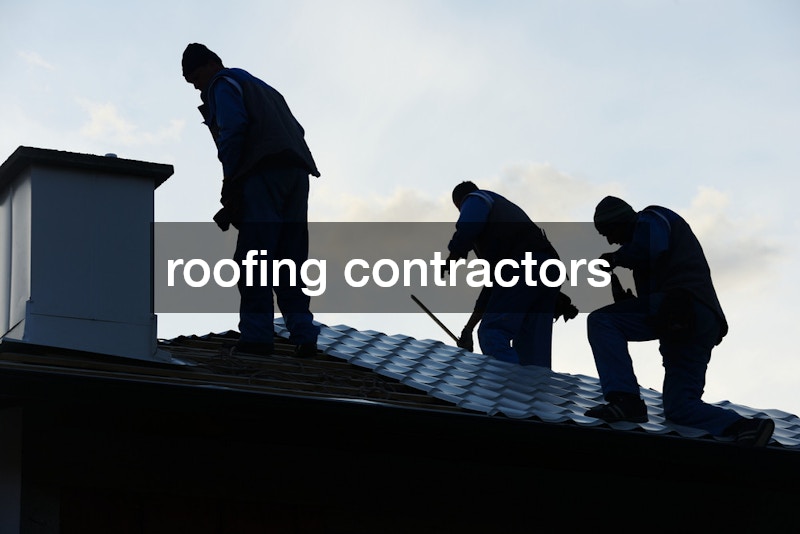
Structural and protective work should always take priority in a remodeling project because it safeguards every improvement that follows. No matter how high-end the finishes or how carefully planned the layout, those investments are at risk if the home’s exterior envelope is compromised. The roof, in particular, plays a critical role in protecting framing, insulation, electrical systems, and interior surfaces from moisture and weather-related damage.
Engaging experienced roofing contractors early in the planning phase allows potential issues to be identified before construction begins. Even minor roof problems—such as deteriorated flashing or aging shingles—can become major liabilities once walls are opened or new materials are installed. Addressing necessary roofing services upfront creates a stable, weather-tight structure that supports the rest of the remodel.
There are several reasons roof work should come first in the renovation sequence:
-
Prevents leaks that could damage drywall, flooring, cabinetry, and insulation
-
Ensures structural integrity when adding rooms, raising ceilings, or modifying load paths
-
Allows proper integration of flashing and underlayment around new windows, skylights, or wall extensions
Completing roof-related work early also reduces the risk of delays caused by unexpected water intrusion during construction, especially in regions with unpredictable weather.
When evaluating roofing needs at the start of a remodel, homeowners should consider several key factors:
-
Age and condition of existing materials: Older roofs nearing the end of their lifespan may not justify patch repairs if major remodeling is underway.
-
Ventilation and insulation compatibility: Changes to attic insulation or interior layouts may require adjustments to roof ventilation to prevent moisture buildup and heat loss.
-
Drainage and flashing around penetrations: Chimneys, vents, and skylights are common failure points that should be addressed before interior finishes are installed.
It’s also important to think ahead to how the roof interacts with other exterior elements. For example, installing new siding, windows, or additions is far more effective when the roofline and flashing details are already properly configured. This sequencing avoids the need to undo completed work later and ensures clean, durable transitions between materials.
By prioritizing structural and protective work at the beginning of the remodel, homeowners create a secure environment for all subsequent upgrades. This approach minimizes risk, preserves the integrity of new finishes, and provides peace of mind that the home is properly protected as construction progresses.
3. Evaluate Site Access, Driveways, and Exterior Surfaces

Exterior access is often overlooked during remodel planning, yet it plays a major role in how efficiently and safely work can be completed. Remodeling typically requires frequent deliveries, large tools, dumpsters, and sometimes heavy machinery. If driveways, walkways, or access points are cracked, uneven, or poorly laid out, they can slow progress, create safety hazards, and lead to costly property damage.
In many cases, it’s necessary to involve an asphalt contractor or coordinate with a paving company to evaluate whether existing surfaces are suitable for construction activity. Aging asphalt, thin paving, or poorly compacted bases may not be able to support repeated truck traffic or heavy loads without cracking or sinking.
Exterior access matters for several important reasons:
-
Ensures safe entry and exit for crews, equipment, and delivery vehicles
-
Prevents damage to contractor vehicles, materials, and your own property
-
Reduces liability risks associated with trips, falls, or surface failures during construction
When access is inadequate, contractors may need to take longer routes, limit equipment use, or delay work entirely, all of which can increase labor costs and extend timelines.
Thoughtful planning can prevent these issues and keep the remodel moving smoothly:
-
Assess load capacity: Determine whether existing driveways and paved areas can handle dumpsters, concrete trucks, or lift equipment without damage.
-
Time resurfacing correctly: If repairs or upgrades are needed, schedule resurfacing after major excavation and utility work but before final landscaping to avoid tearing up new surfaces.
-
Plan temporary access routes: In some cases, temporary gravel paths or protective mats can provide safe access during construction without permanently altering the property.
It’s also important to consider drainage and slope when evaluating exterior surfaces. Poor water runoff can lead to pooling, erosion, or soft ground conditions that interfere with construction and create safety concerns. Addressing these issues early improves both short-term workflow and long-term durability.
Well-maintained access surfaces allow contractors to work efficiently, reduce the risk of damage or injury, and help keep the project on schedule. Taking the time to evaluate and improve exterior access before construction begins can prevent unnecessary setbacks and protect your property throughout the remodel.
4. Plan Landscaping Around Construction, Not Before It

Landscaping is often one of the most visible and satisfying upgrades, but it should almost always come after major construction is complete. Premature landscaping frequently gets damaged by equipment, foot traffic, or grading changes.
Working with professional landscaping companies later in the timeline allows designs to account for final elevations, drainage patterns, and exterior features.
Why landscaping should wait:
-
Heavy equipment can destroy new plants or turf
-
Soil grading may change during construction
-
Final layouts depend on completed structures
Smarter landscaping planning includes:
-
Temporary protection for existing plants
-
Drainage planning tied to hardscape features
-
Selecting plants suited to post-construction conditions
Saving landscaping for the final stages protects your investment and delivers better long-term results.
5. Schedule Plumbing Work Early to Avoid Rework
Plumbing systems are deeply integrated into walls, floors, and foundations. Changes made too late in the remodel often require cutting into finished surfaces, which adds time and cost.
Engaging experienced local plumbers early ensures water lines, drains, and fixtures are properly placed before framing and finishes begin.
Plumbing tasks commonly addressed during remodels:
-
Kitchen and bathroom layout changes
-
Water heater upgrades or relocations
-
Pipe replacements or pressure improvements
Why early scheduling matters:
-
Prevents opening finished walls later
-
Ensures code compliance before inspections
-
Reduces coordination issues with electrical and HVAC trades
Proper plumbing coordination is essential for both functionality and long-term reliability.
6. Coordinate Electrical Upgrades With Layout Changes
Modern homes require more power, better lighting, and smarter layouts than older electrical systems were designed to support. Electrical work must be carefully coordinated with structural changes and interior layouts.
Hiring a qualified electrical contractor ensures that wiring, panels, and outlets are updated safely and in compliance with current codes.
Common electrical upgrade needs:
-
New lighting layouts
-
Additional outlets and circuits
-
Panel upgrades for increased demand
Best practices for coordination:
-
Finalize room layouts before rough wiring
-
Plan for future technology needs
-
Complete electrical work before insulation and drywall
Electrical upgrades are difficult to modify once walls are closed, making early planning essential.
7. Address Comfort Systems Before Finishing Surfaces
Heating and cooling systems play a major role in comfort, efficiency, and indoor air quality. Remodeling is an ideal time to evaluate whether your current system can support the updated layout and insulation levels.
Scheduling ac service before walls and ceilings are finished allows technicians to adjust ductwork, airflow, and system capacity without disruption.
Signs systems need attention:
-
Uneven temperatures between rooms
-
Rising energy bills
-
Noisy or aging equipment
Why timing matters:
-
Duct changes are easier before finishes
-
System sizing depends on insulation and layout
-
Prevents damage to completed surfaces
Comfort system upgrades are most effective when integrated into the remodel plan.
8. Improve Energy Efficiency With Proper Insulation
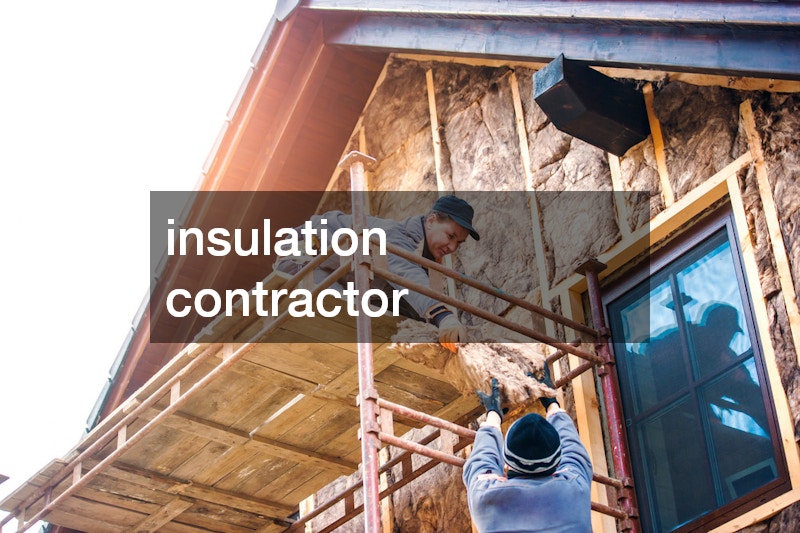
Insulation is often overlooked because it’s hidden behind walls, but it has a major impact on comfort and operating costs. Remodeling provides a rare opportunity to improve insulation without extensive demolition.
Working with an experienced insulation contractor ensures the right materials are used in the right locations.
Benefits of upgrading insulation:
-
Lower heating and cooling costs
-
Improved indoor comfort
-
Reduced strain on HVAC systems
Key areas to address:
-
Exterior walls and attics
-
Crawl spaces and basements
-
Around windows, doors, and ductwork
Proper insulation enhances every other system in the home and delivers long-term savings.
9. Vet Contractors Thoroughly Before Signing Agreements
Choosing the right professionals is just as important as choosing the right upgrades. Poor vetting often leads to workmanship issues, missed deadlines, or disputes.
When evaluating roofing contractors or local plumbers, homeowners should look beyond price alone.
What to verify:
-
Licensing and insurance
-
Experience with similar projects
-
References and reviews
Smart evaluation tips:
-
Compare detailed scopes, not just totals
-
Ask about warranties and post-project support
-
Avoid large upfront payments
Thorough vetting reduces risk and increases the likelihood of a smooth remodel.
10. Coordinate Scheduling and Communication Across All Trades
Even highly skilled contractors can cause problems if schedules overlap or communication breaks down. A master schedule keeps everyone aligned and prevents damage to completed work.
Coordination is especially important when exterior and interior work overlap, such as when a paving company or an electrical contractor is involved near the end of the project.
Effective coordination strategies:
-
Share a written project timeline
-
Confirm start and finish dates regularly
-
Hold progress check-ins at major milestones
Common mistakes to avoid:
-
Scheduling trades too early
-
Allowing overlap that damages finishes
-
Failing to communicate delays promptly
Clear communication keeps the project efficient and minimizes stress.
Hiring the right professionals for a home remodel is not just about finding skilled workers—it’s about understanding how each role fits into the bigger picture. Successful renovations rely on proper sequencing, clear communication, and informed decision-making at every stage.
By carefully evaluating your needs, planning the order of work, and selecting qualified specialists, you reduce risk and increase the long-term value of your investment. A well-coordinated remodel protects your home, improves comfort, and delivers results that last well beyond the final walkthrough.
