
Your car is likely one of the most valuable things you own, yet it spends most of its life parked outside, exposed to sun, rain, hail, and road grime. Weather does not just make a vehicle dirty, it slowly eats away at paint, rubber, and metal until small problems become expensive ones. Understanding how different weather conditions attack your vehicle, and what you can do to stop that damage before it starts, can save you thousands of dollars over the life of your car. This guide walks through the most common weather-related threats to your vehicle and practical ways to defend against each one.
Sun Exposure and Fading Paint
Ultraviolet rays are relentless, and they do not take a day off just because your car is parked in the driveway instead of a garage. Over months and years, UV exposure breaks down the clear coat and pigment in automotive paint, leaving it dull, chalky, or faded in patches. Dark colored vehicles tend to show this damage faster because they absorb more heat and light than lighter shades. Without protection, this kind of fading is permanent and can only be corrected through costly paint correction or a full repaint.
One of the most effective long term defenses against sun damage is a car ceramic coating, which creates a hard, UV resistant layer over the factory paint. This coating does not stop the sun from hitting the vehicle, but it significantly slows the rate at which UV rays degrade the clear coat underneath. Many homeowners find that investing in this kind of protection early, before fading begins, is far cheaper than trying to restore paint later.
- Park in shaded areas or use a breathable car cover when possible
- Wash and wax regularly to maintain a protective barrier
- Consider a ceramic coating for long term UV resistance
- Inspect paint every few months for early signs of dulling
Hailstorms and Sudden Dent Damage
Hail is one of the most unpredictable weather threats a vehicle owner can face, and even a short storm can leave dozens of dents across a hood, roof, and trunk. Unlike paint fading, hail damage happens in minutes rather than months, which means there is little time to react once a storm starts. The size of the hailstones and the angle at which they strike determine whether you end up with light cosmetic dings or deep dents that require panel replacement.
If your vehicle does sustain hail damage, paintless dent repair is often the fastest and most affordable fix for shallow dents where the paint has not cracked. For more severe damage, a visit to a collision repair shop may be necessary to properly reshape panels and repaint affected areas. Acting quickly after a storm also helps prevent moisture from getting into any cracked paint and causing rust underneath.
- Move your vehicle into a garage or covered structure when storms are forecast
- Use a thick hail blanket or padded cover if no shelter is available
- Document damage with photos immediately after a storm for insurance purposes
- Get an inspection soon after hail to catch hidden dents early
Flooding and Water Intrusion Risks
Heavy rain and flash flooding can cause damage that goes far beyond a wet floor mat. Water that rises above the wheel wells can seep into the engine bay, electrical systems, and cabin, leading to corrosion, mold, and malfunctioning sensors. Even a few inches of standing water driven through at speed can push water into places it was never meant to reach, including the air intake.
The real danger with flood exposure is that damage is not always obvious right away. Electrical issues can take days or weeks to surface, and by then, corrosion may have already spread to wiring harnesses and control modules. If you suspect your vehicle has taken on water, it is worth having it checked by a professional before relying on it for daily driving.
- Avoid driving through standing water deeper than a few inches
- Check carpets and trunk lining for dampness after heavy rain
- Have the battery and electrical connections inspected if flooding occurred
- Dry out the interior quickly to prevent mold growth
Winter Road Salt and Hidden Rust
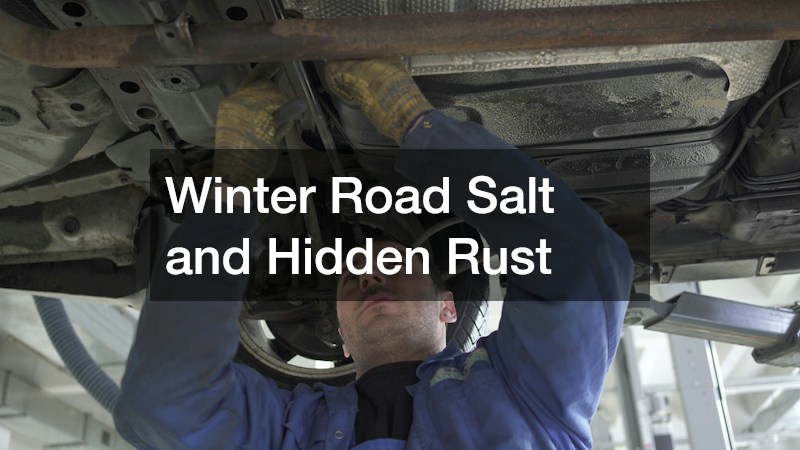
Road salt is excellent at melting ice, but it is equally effective at corroding metal over time. Salt clings to the undercarriage, wheel wells, and brake lines, and if it is not washed off regularly, it can eat through protective coatings and start rust that spreads from the inside out. This kind of damage is often invisible until it has already compromised structural components.
Regular undercarriage washes during winter months are one of the simplest ways to prevent this slow deterioration. Many car washes offer an undercarriage rinse option specifically for this reason, and it takes only a few extra minutes. Owners of trucks and SUVs that regularly tow or drive on treated roads should be especially diligent, since these vehicles often spend more time exposed to salt spray.
- Wash the undercarriage every two to three weeks during winter
- Apply a rust inhibitor spray to vulnerable areas before winter begins
- Check brake lines and exhaust components for early corrosion
- Avoid parking over slush puddles for extended periods
Off-Road and Trail Driving Exposure
Vehicles built for adventure, including popular off-road models, face a unique combination of weather and terrain stress that standard cars rarely encounter. Mud, water crossings, and extreme temperature swings on the trail can wear down seals, scratch paint, and stress suspension components faster than normal driving. These vehicles often need more frequent inspections simply because of how they are used.
When off-road damage does happen, whether from a rock strike, branch scrape, or a rollover on uneven terrain, finding a shop experienced in jeep collision repair matters because these vehicles have body styles and components that differ from standard sedans. A shop familiar with these models can properly address frame damage, body panel alignment, and weatherproofing that keeps future trail outings safe and dry. Choosing a shop with this specific experience helps ensure repairs hold up under the same rugged conditions that caused the damage.
- Rinse mud and debris from the undercarriage after every trail outing
- Inspect door seals and weatherstripping for trail-related wear
- Check for scratches or chips that could lead to rust if left untreated
- Schedule a suspension and alignment check after rough terrain use
Windshield and Glass Vulnerability
Temperature swings, hail, and flying road debris all take a toll on windshields and windows over time. A small chip that seems harmless can spread into a long crack after a sudden drop in temperature or a rough pothole, especially if moisture gets into the chip and freezes. Glass damage also compromises the structural support the windshield provides to the vehicle’s roof in a rollover situation.
Addressing chips quickly, often within days of noticing them, can mean the difference between a simple resin repair and a full windshield replacement. Many auto glass specialists can repair small chips in under an hour, making it one of the easiest weather-related fixes to stay on top of. Keeping a close eye on your windshield after any hailstorm or long road trip is a simple habit that prevents bigger headaches later.
- Repair chips smaller than a quarter as soon as possible
- Avoid sudden temperature changes, like hot water on an icy windshield
- Replace worn wiper blades to prevent scratching during storms
- Keep a safe following distance to reduce rock chip exposure

Storm and Collision Damage Recovery
Even with the best precautions, severe weather can sometimes lead to damage that requires professional repair rather than simple maintenance. Falling branches, flying debris, and weather-related accidents on slick roads are common causes of body damage that go beyond what a DIY fix can handle. Knowing what steps to take afterward helps you get back on the road faster and ensures the repair is done correctly.
Choosing the right shop for the type of damage matters just as much as getting the repair done quickly. For larger pickups and work vehicles, specialized truck repair services understand the heavier frames, towing components, and larger body panels that differ from passenger cars. Getting a written estimate and confirming that a shop uses manufacturer-approved parts and techniques helps protect both your vehicle’s value and your safety on the road.
- Document all storm or collision damage with photos before repairs begin
- Request an itemized estimate from any repair shop you consider
- Ask whether a shop offers a warranty on parts and labor
- Confirm the shop has experience with your specific vehicle type
Weather damage rarely happens all at once, it builds slowly through sun exposure, salt, storms, and the occasional unlucky hailstorm or flood. The good news is that most of this damage is preventable with consistent habits like regular washing, prompt chip repairs, and protective coatings suited to your climate. Taking a few proactive steps now, from parking smart to scheduling seasonal inspections, will protect your investment far more effectively than reacting after the damage is done. Start by assessing which weather risks are most common in your area, then build a simple maintenance routine around them.
