Living an active lifestyle involves more than simply exercising regularly. It requires a balanced approach that supports physical health, recovery, relaxation, and overall well-being. Many people today are exploring a variety of services and activities that help them stay energized while maintaining healthy habits. From recovery practices that help the body relax to structured health programs that support long-term wellness, these services can make it easier to maintain a consistent and sustainable lifestyle. When individuals prioritize both physical activity and personal well-being, they are often able to enjoy higher energy levels and improved daily performance.
Modern wellness options also make it easier for people to customize their approach to healthy living. Some individuals focus on recovery methods that help their bodies rest after intense activity, while others look for guidance on improving nutrition, maintaining medical care, or staying active outdoors. These lifestyle services often work together to support both physical and mental well-being. By combining recreation, health management, and recovery practices, individuals can create routines that help them stay active and feel their best. Understanding the different services that support an active lifestyle can help people find options that align with their personal goals and long-term health priorities.
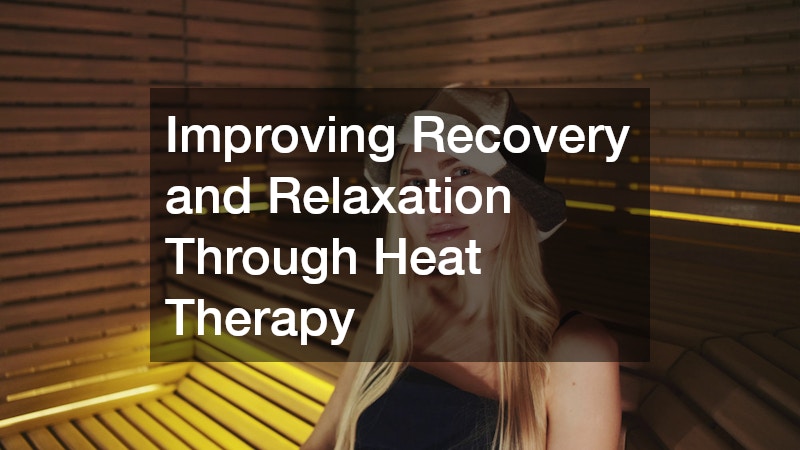
Improving Recovery and Relaxation Through Heat Therapy
Recovery plays an important role in maintaining an active lifestyle. After physical activity, the body benefits from time to rest and restore muscle function. Without adequate recovery, fatigue and muscle soreness can accumulate, making it harder to stay consistent with exercise or daily activities. Relaxation practices can help support circulation, reduce tension, and allow the body to recover more effectively. Many individuals incorporate recovery methods into their wellness routines to help maintain both physical comfort and long-term performance.
One method people often explore for relaxation and recovery is using a sauna. Heat therapy can help promote circulation and encourage the body to relax after periods of physical exertion. Spending time in a heated environment may help muscles loosen and provide a calming experience that supports stress relief. Many people include heat therapy as part of their post-exercise routine or general wellness practices. When combined with other healthy habits such as proper hydration and regular activity, relaxation methods like this can support overall well-being and help individuals maintain a more balanced and active lifestyle.
Supporting Healthy Weight Management Goals
Maintaining a healthy body weight is often an important part of supporting overall wellness and staying active. Weight management can influence energy levels, mobility, and physical endurance during everyday activities. Many individuals pursue healthy habits such as balanced nutrition and regular exercise to help maintain their weight. Consistency is often key when developing a sustainable approach to health, as gradual lifestyle changes tend to produce long-term results. By focusing on overall wellness rather than short-term goals, people can build habits that support both physical activity and long-term health.
For some individuals, structured programs designed to support weight loss can provide helpful guidance and accountability. These programs often combine nutritional planning, exercise recommendations, and lifestyle coaching to help participants stay on track. When individuals receive guidance and maintain consistent routines, they may find it easier to make healthier choices in daily life. Weight management programs can also help individuals better understand how nutrition and physical activity work together to support wellness. By focusing on gradual progress and sustainable habits, many people are able to maintain a healthier lifestyle while staying active and energized.
Maintaining Regular Medical Care and Guidance
Regular medical care plays an important role in helping individuals maintain an active and healthy lifestyle. Routine checkups allow people to monitor their overall health while identifying potential concerns before they become more serious. Preventative care can help individuals understand how factors such as nutrition, exercise, and sleep affect their well-being. When health concerns are addressed early, it becomes easier to maintain consistent activity levels and avoid disruptions caused by illness or injury. Regular evaluations also give individuals the opportunity to discuss health goals and receive guidance on maintaining long-term wellness.
Many people rely on experienced doctors to provide professional guidance and support their health goals. Medical professionals can evaluate physical health, recommend screenings, and offer advice that helps individuals stay active safely. They may also identify underlying conditions that could affect energy levels or physical performance. By working closely with healthcare providers, individuals gain valuable insight into how their bodies function and how to support long-term health. Consistent medical care allows people to make informed decisions that help them maintain an active lifestyle while protecting their overall well-being.
Improving Sleep Quality for Better Daily Energy
Quality sleep is essential for maintaining energy levels, mental focus, and physical recovery. When the body receives adequate rest, it can repair tissues, regulate hormones, and restore the energy needed for daily activities. Poor sleep habits or untreated sleep conditions can lead to fatigue, reduced concentration, and decreased physical performance. Individuals who experience regular sleep disturbances may find it more difficult to stay active or maintain consistent exercise routines. Improving sleep quality can therefore play a major role in supporting a healthy and active lifestyle.
For individuals who experience breathing interruptions during sleep, a cpap machine may help support better rest. This type of device helps keep airways open while sleeping, allowing the body to maintain steady breathing throughout the night. Improved airflow can help reduce sleep disruptions and promote more restorative sleep cycles. When individuals receive consistent, uninterrupted rest, they often experience better daytime energy and improved mental clarity. Addressing sleep concerns allows people to support both their physical health and their ability to remain active throughout the day.
Enhancing Outdoor Recreation and Leisure Spaces
Outdoor recreation offers many opportunities for individuals to stay active while enjoying time outside. Activities such as swimming, walking, or relaxing in outdoor spaces can support both physical movement and stress reduction. Spending time outdoors often encourages people to engage in physical activity in a way that feels enjoyable rather than routine. Outdoor spaces designed for recreation can also create environments where families and friends gather to socialize while maintaining active lifestyles. These spaces contribute to both physical well-being and emotional relaxation.
Many homeowners choose to improve their outdoor environments with the help of professional pool companies. Adding a swimming pool can create a space that encourages regular exercise while also providing a place for relaxation and recreation. Swimming is widely recognized as a low-impact activity that can support cardiovascular health and muscle strength. Pools can also become gathering areas where families enjoy time together while staying physically active. By creating well-designed outdoor spaces, homeowners can support healthier routines that encourage movement and recreation throughout the year.