

A health scare rarely announces itself in advance, and the minutes after it strikes are the worst possible time to start researching your options. Whether it is a sudden injury, a chronic condition flaring up, or a loved one needing a higher level of support, knowing where to turn before the emergency happens can save precious time and reduce panic.
This guide walks through the different levels of care available, from quick walk-in treatment to specialized procedures and long-term support, so you can build a personal care map before you ever need it. Taking an hour now to understand your choices can make a real difference when a crisis eventually hits.
Recognizing When a Situation Is Truly an Emergency
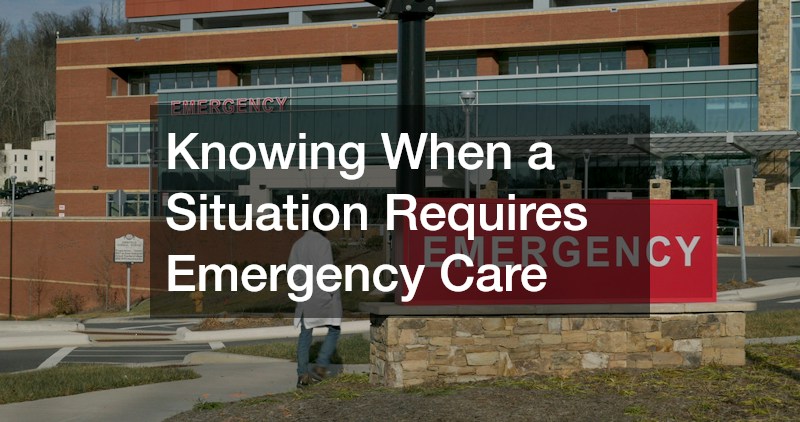
One of the biggest sources of confusion during a health scare is figuring out whether a situation calls for an ambulance, a same-day appointment, or something in between. Knowing the warning signs of a true emergency ahead of time removes guesswork when adrenaline is high and clear thinking is harder. Conditions like chest pain, difficulty breathing, sudden confusion, or uncontrolled bleeding should always go straight to an emergency room rather than any lower level of care. Everything else, from sprains to fevers to minor cuts, usually has more flexible and often faster options available.
- Severe chest pain, pressure, or shortness of breath
- Sudden weakness, numbness, or slurred speech
- Heavy bleeding that will not stop with pressure
- Loss of consciousness or severe head injury
- Signs of stroke, such as facial drooping or confusion
Choosing Between a Walk-In Clinic and an Emergency Room
Once you have ruled out a true emergency, the next decision is usually between a walk-in clinic and a hospital emergency department. A walk-in clinic is built for exactly the kind of situation that feels urgent but is not life-threatening, such as a persistent cough, a minor burn, or a child with an earache. These clinics typically have shorter wait times than emergency rooms and charge significantly less for comparable treatment of non-critical issues. Knowing the location and hours of the nearest walk in clinic to your home or workplace means you are not scrambling to search for one mid-crisis.
It helps to actually visit or call ahead of time to understand what a specific clinic can and cannot treat, since capabilities vary from one location to the next. Some locations offer X-rays and basic lab work on-site, while others may need to refer you elsewhere for imaging or specialist care. Building this knowledge now, rather than during an actual health scare, lets you make a calm and informed decision when symptoms appear.
- Minor fractures, sprains, and strains
- Mild to moderate allergic reactions
- Common infections like strep throat or UTIs
- Vaccinations and basic physicals
- Minor cuts requiring stitches
Understanding the Role of Urgent Treatment Centers
Somewhere between a walk-in clinic and a full emergency room sits a category of care designed for conditions that need fast attention but are not immediately life-threatening. An urgent care center is generally equipped to handle more complex situations than a basic clinic, including deeper lacerations, moderate burns, or suspected broken bones that need imaging. These facilities are often staffed with a broader mix of medical professionals and tend to stay open later into the evening and on weekends, which matters when a problem develops outside normal business hours.
Knowing which facility near you falls into this category, and confirming what insurance they accept, is a task worth doing on a quiet weekend rather than during a flare-up of pain. Many of these centers also post average wait times online, which can help you decide in the moment whether to go in person or keep looking. Having this information mapped out in advance turns a stressful decision into a quick, confident one.
- Moderate asthma attacks without severe breathing distress
- Deep cuts that may need stitches but are not life-threatening
- Suspected fractures needing an X-ray
- Dehydration or persistent vomiting
- Animal bites requiring prompt attention
Planning for Specialized or Elective Medical Procedures

Not every health decision is about treating an immediate problem; some involve planning ahead for elective or specialized procedures that improve quality of life. Men researching treatments for sexual health concerns, for example, may come across the priapus shot, a procedure that uses platelet-rich plasma to address certain performance or sensitivity issues. Because this is an elective treatment rather than emergency care, it is worth researching providers, credentials, and realistic expectations well before scheduling anything. Reading reviews, asking about the practitioner’s training, and understanding recovery time are all steps best taken with a clear head, not under pressure.
The broader lesson here applies to any elective or specialized procedure: do your homework before you need the treatment urgently or emotionally. Consultations are usually free or low-cost and give you a chance to ask detailed questions without commitment. Mapping out a few trusted providers in your area ahead of time means you will not be rushed into a decision you have not fully considered.
Preparing for Long-Term or Residential Treatment Needs
Some health crises are not sudden injuries, but slow-building struggles, and substance use disorders often fall into this category. When a loved one’s drinking has become unmanageable through outpatient support alone, a full residential alcohol rehab program may offer the structured, around-the-clock environment needed for lasting recovery. These programs typically combine medical detox, individual therapy, group counseling, and aftercare planning in one continuous stay, which removes the daily temptations and triggers found at home. Researching accredited facilities, their success rates, and what insurance covers before a crisis occurs means a family is not making this decision for the first time during an emotional breaking point.
Admission processes, length of stay, and family involvement policies vary widely between facilities, so it is worth calling a few programs to ask direct questions in advance. Many centers offer a confidential phone assessment that helps determine the right level of care without requiring an immediate commitment. Having a shortlist ready means that when the moment of willingness finally arrives, there is no scramble to find an open bed.
- Ask about medical detox availability on-site
- Confirm average length of stay and aftercare support
- Check whether family therapy is included
- Verify accreditation and licensing
- Understand insurance coverage and payment plans
Adapting Your Home for Mobility and Accessibility Changes

A health crisis sometimes leaves a lasting change in mobility, and thinking through home modifications before they are urgently needed can prevent a difficult scramble later. Stairs, narrow doorways, and raised thresholds can become serious obstacles for someone recovering from surgery, a stroke, or a progressive condition. Installing a wheelchair lift at a home’s entrance or along an interior staircase is one of the more significant modifications families consider, and it is far easier to research models, costs, and installation timelines before they are needed urgently. Many of these lifts can be installed within a matter of days once ordered, but permitting and custom sizing can add time that is best planned for in advance.
Beyond lifts, there are smaller adjustments worth noting on your care map, such as grab bars, raised toilet seats, and widened doorframes. Occupational therapists can assess a home and recommend specific changes based on a person’s actual mobility needs rather than guesswork. Planning this out ahead of time, even loosely, means a family is not making major purchasing decisions during a hospital discharge deadline.
- Measure doorways and hallways for wheelchair clearance
- Research lift models and average installation timelines
- Identify a local occupational therapist for home assessments
- Budget for modifications before they become urgent
- Ask whether insurance or state programs offset costs
Building a Personal Care Directory Before You Need It
All the research in the world does little good if it is scattered across memory, old emails, and half-remembered phone calls. Creating a simple written directory of trusted providers, facility phone numbers, and insurance details turns scattered knowledge into something usable in a moment of stress. This document should live somewhere accessible, such as a shared family drive or a printed copy on the refrigerator, not buried in a folder no one remembers exists.
Update this directory at least once a year, since providers change hours, insurance networks shift, and new facilities open closer to home. Include backup options for each category of care, since your first choice may be closed, full, or out of network when you actually need it. A small amount of ongoing maintenance keeps this resource genuinely useful rather than outdated paperwork.
- Primary care physician and after-hours contact
- Nearest clinic and emergency room addresses
- Specialist contacts for ongoing conditions
- Insurance policy numbers and customer service lines
- Emergency contacts for family members
Conclusion
A health crisis will always carry some uncertainty, but where to go for help should not be one of the unknowns. By understanding the differences between emergency rooms, urgent care facilities, and clinics, researching specialized providers, and preparing your home for possible mobility changes, you put yourself in a position to act quickly and confidently. Take the time this week to write down your personal care directory and share it with the people who matter most. The effort you put in today is the calm you will feel when it counts.
