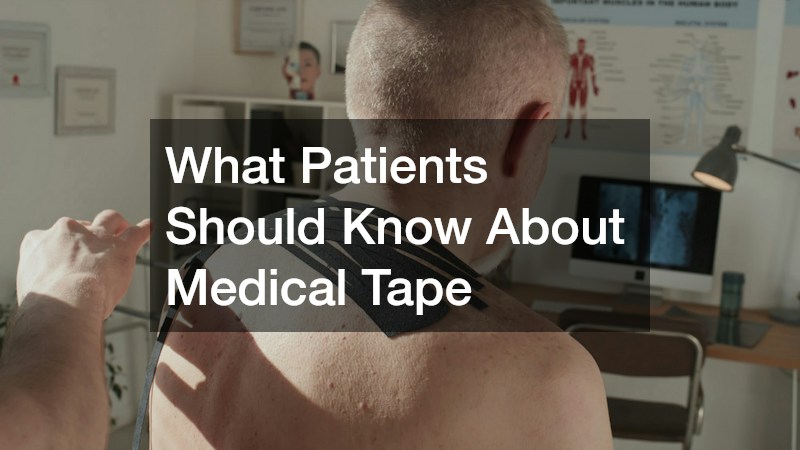
Medical tape is a simple but important part of many types of healthcare. It can be used to secure bandages, dressings, tubes, and other medical materials against the skin. Patients may encounter it after surgery, during wound care, in hospitals, at outpatient clinics, or while managing an injury at home.
Although medical tape may seem straightforward, different products are designed for different purposes. Understanding how it works, what types are available, and how to protect your skin can make wound care and recovery more comfortable.
Products made by a medical tape manufacturing company may vary in adhesive strength, material, flexibility, and intended use.
Medical Tape Serves Several Purposes
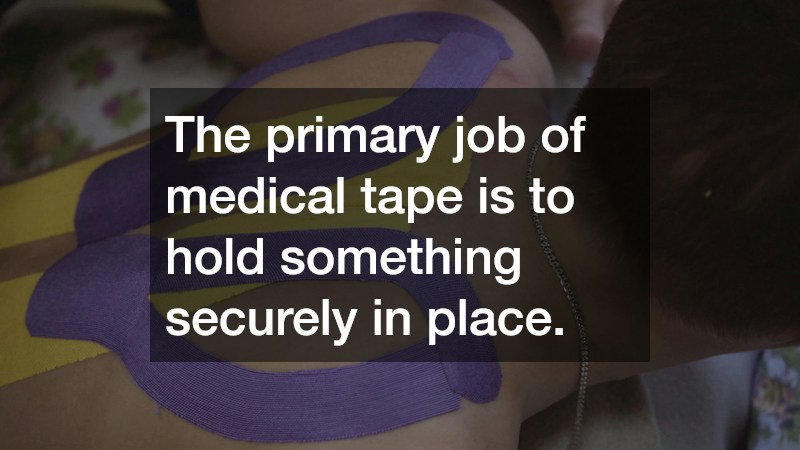
The primary job of medical tape is to hold something securely in place.
It may be used to keep gauze over a wound, secure a dressing after a procedure, stabilize tubing, or help prevent bandages from shifting during movement.
Some tapes are designed for short-term use, while others may remain in place longer. Certain products are intended for delicate skin, while others offer stronger adhesion for areas where movement or moisture makes securing a dressing more difficult.
The type selected usually depends on the patient’s needs and the medical situation.
There Are Different Types of Medical Tape
Medical tape is not a single product category with one universal design.
Paper tape is often lightweight and relatively easy to remove. Cloth tape may offer additional strength and flexibility. Plastic or transparent tapes can provide visibility and may resist moisture differently.
Other products may be made from foam, silicone, or specialized materials.
A medical tape manufacturing company may produce multiple versions because skin sensitivity, wound location, movement, moisture, and required holding strength can all influence which type is most appropriate.
Patients should follow the recommendations of their healthcare professionals rather than assuming that one tape can be used for every situation.
Adhesive Strength Matters
Medical tapes use adhesives designed to stick to skin or other surfaces, but not every adhesive provides the same level of hold.
A stronger adhesive may be useful when a dressing must remain secure on a high-movement area. However, very strong adhesion may be unnecessary or uncomfortable for someone with fragile or sensitive skin.
Weaker adhesive can be easier to remove but may not hold as well in areas exposed to friction or moisture.
Healthcare providers balance these factors when selecting tape for a particular patient.
Skin Sensitivity Can Affect Tape Choice
Some people are more sensitive to adhesives than others.
Redness, itching, discomfort, or irritation can sometimes develop where tape contacts the skin. Repeated application to the same area may also increase irritation.
Patients with particularly delicate skin, including some older adults and people receiving certain medical treatments, may require gentler adhesive products.
If tape causes significant irritation, blistering, swelling, or worsening discomfort, patients should contact a healthcare professional. A different tape or dressing method may be more appropriate.
A medical tape manufacturing company may offer products specifically designed for sensitive or fragile skin.
Proper Skin Preparation Can Improve Adhesion
Medical tape generally adheres better to clean, dry skin.
Moisture, oils, lotions, and dirt can interfere with adhesive performance. Unless a healthcare provider gives different instructions, the skin around a dressing should typically be clean and dry before tape is applied.
Patients should be cautious about applying lotions, powders, or creams underneath adhesive areas because these products can prevent tape from sticking effectively.
Hair can also affect adhesion and make tape removal uncomfortable. However, patients should not shave around a wound unless instructed to do so, since shaving can irritate the skin.
Medical Tape Should Not Be Applied Too Tightly
Tape is intended to secure a dressing, not restrict circulation.
Wrapping tape too tightly around a finger, arm, leg, or other body part can create unnecessary pressure. Warning signs can include numbness, tingling, swelling, unusual skin color, or increasing discomfort.
If these symptoms develop after taping, the dressing may need immediate adjustment.
Patients should follow specific instructions provided by their doctor, nurse, or other healthcare professional when securing dressings at home.
Removing Medical Tape Carefully Is Important
Pulling medical tape off quickly can irritate or damage the skin.
Gentle removal is especially important for patients with sensitive or fragile skin. Instead of pulling straight upward, tape can often be removed slowly and kept close to the skin as it is peeled back.
Healthcare professionals may use adhesive-removal products when necessary, particularly when stronger tapes have been used.
Patients should not aggressively pull at tape surrounding a surgical incision or wound. If removal is painful or the dressing appears stuck, ask a healthcare provider how to proceed.
Different products from a medical tape manufacturing company may also have specific removal recommendations.
Tape Should Be Changed When Appropriate
How often medical tape needs to be replaced depends on why it is being used and the type of dressing.
Tape may need changing if it becomes wet, dirty, loose, or contaminated. A dressing that is no longer securely attached may not provide the intended protection.
However, repeatedly removing and reapplying tape can also irritate the skin.
Patients should follow the wound-care schedule provided by their healthcare professional. Surgical dressings, chronic wound care, and minor cuts may all require different approaches.
Water Can Affect Some Medical Tapes
Not every medical tape is waterproof.
Certain tapes can tolerate limited moisture, while others may loosen after exposure to water. Patients should understand whether their dressing can become wet before showering, bathing, or swimming.
If a healthcare provider recommends keeping the area dry, additional protection may be necessary.
Even when a tape is labeled water-resistant, prolonged moisture exposure may still affect adhesion or the dressing underneath.
Watch for Signs of Infection
Medical tape itself does not treat an infection. Its purpose is generally to help secure dressings or other materials.
Patients should continue monitoring the wound underneath or around the taped area.
Possible signs that require medical attention can include increasing redness, warmth, swelling, drainage, worsening pain, fever, or an unpleasant odor.
If a wound appears to be getting worse rather than improving, contact a healthcare professional rather than simply replacing the tape.
Do Not Reuse Medical Tape
Most adhesive medical tapes are intended for single use.
Once a piece of tape has been removed, the adhesive can collect skin cells, dirt, moisture, and other contaminants. Reapplying the same piece may also provide weaker adhesion.
Use a fresh piece when replacing a dressing unless a healthcare provider has given different instructions.
Storing rolls of tape in a clean, dry location can also help protect the remaining product.
Follow Professional Instructions
Medical tape can look like a simple supply, but correct use matters.
Healthcare professionals select tape based on the type of dressing, wound location, patient comfort, skin condition, and expected duration of use. Manufacturers also design products with different characteristics to meet these varied needs.
A reputable medical tape manufacturing company may develop tapes for applications ranging from routine wound care to specialized clinical situations.
Patients should avoid changing to a different product without guidance when tape is being used after surgery or as part of an ongoing treatment plan.
Medical Tape Is a Small but Important Part of Care
Medical tape plays a supporting role in many healthcare situations. The right product can help keep dressings secure while allowing patients to move through everyday activities more comfortably.
Understanding adhesive strength, skin sensitivity, moisture exposure, safe removal, and proper replacement can help patients use these products more effectively.
When questions arise, healthcare providers are the best source of guidance about which tape to use and how long it should remain in place. Products supplied by a medical tape manufacturing company are designed for different clinical needs, making proper product selection an important part of safe and effective wound care.