Understanding when to seek commercial HVAC repair services is critical for maintaining a comfortable and efficient environment. Without a properly functioning HVAC system, businesses can face disruptions that affect both employee productivity and customer satisfaction. As commercial HVAC units are more complex than residential ones, having a keen eye on potential issues can save time and money in the long run.
This detailed guide outlines the key indicators that your HVAC system might need professional attention to ensure optimal performance. Recognizing these signs early allows for prompt action and avoids more severe problems, thus ensuring a seamless and energy-efficient operation.
Regular maintenance and inspection of your HVAC system play a pivotal role in preventing costly breakdowns and enhancing longevity. By being proactive about repairs, you not only improve indoor air quality but also enhance the overall comfort of your workspace. It is crucial to be aware of specific warning signals such as uncommon noises, fluctuating indoor climates, and inefficiency in system operation. Ignoring these signs could lead to larger issues, resulting in expensive repairs or total system replacement. In the sections below, we will explore the alarms indicating that your commercial HVAC system requires immediate attention.
Whether your unit is old and worn out, or there’s been a sudden shift in operation, identifying the need for repair is essential. Commercial spaces are typically larger and require systems capable of maintaining a balanced environment despite external weather changes. An efficient HVAC system should work seamlessly without noticeable effort or disturbance. Any deviation from ordinary performance should be seen as a red flag, necessitating further investigation. Be it higher energy bills or the presence of physical leaks—you need a strategic approach to handle HVAC malfunctions promptly.
Why Isn’t My HVAC System Producing Adequate Heating or Cooling?
Insufficient Airflow
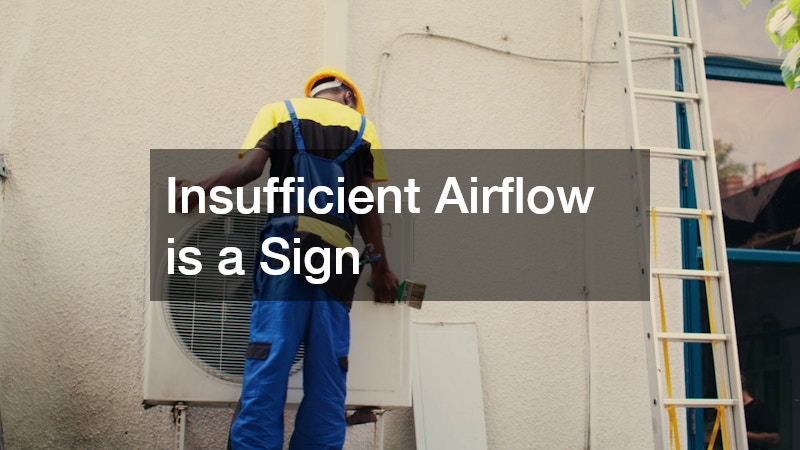
Insufficient airflow within a commercial space is a common symptom indicating HVAC issues. Blockages in the system, such as from dirt or debris, can impede effective air distribution. Clean filters and unobstructed vents are essential for the system to function efficiently. When airflow is compromised, the unit has to work harder to maintain desired temperatures, resulting in increased energy bills. Consistent airflow issues need addressing to prevent further system strain and potential damage.
This issue isn’t always linked to dirt; mechanical failures within the system can also cause poor airflow. For instance, a faulty fan motor can disrupt airflow consistency, making the entire office feel uncomfortable. Regular maintenance can often uncover such problems before they escalate. Advanced sensors and smart systems can provide real-time data analysis, offering an early warning for HVAC failures. Using such technology can streamline the identification process, cutting downtime and ensuring continuity of comfort.
If left unchecked, poor airflow can lead to increased humidity levels and reduced indoor air quality. This, in turn, can affect employee health, productivity, and satisfaction. It’s crucial to have an HVAC technician conduct a thorough inspection to identify airflow blockages or mechanical faults. Addressing these promptly can enhance system performance and prevent premature wear and tear, ultimately saving costs on energy and future repairs. With proper care, the chances of facing such problems are significantly reduced.
Temperature Fluctuations
Noticeable temperature fluctuations within commercial premises are usually a signal of HVAC inefficiency. When different areas of the facility exhibit varied temperatures, it’s vital to inspect the zoning systems. Often, adjustments and repairs to dampers or the installation of zone thermostats can help in balancing temperatures. Fluctuations might also indicate refrigerant leaks or compressor issues, both of which need professional evaluation. Ignoring these signs can eventually lead to more severe complications in your HVAC system.
The cost implications of neglecting such disruptions can be significant, as continuous malfunction can cause system overload. Addressing the underlying causes of temperature swings ensures your HVAC system runs efficiently and prevents excessive energy use. Regularly calibrating thermostats and using programmable ones can further help manage indoor climates accurately. It’s this level of monitoring and adjustment that facilitates the creation of a consistently comfortable work environment. Sometimes, a simple adjustment can set things right, but often professional repair services are required for a thorough fix.
Temperature inconsistencies can raise concerns from employees and customers alike. Managing these concerns calls for a proactive approach to maintenance, enabling you to swiftly address any irregularities. The use of energy-efficient components and modern systems has a marked positive impact on performance and can significantly reduce temperature fluctuations. After all, successful businesses thrive on environments that promote productivity, and reliability of temperature settings is a part of that equation. Ultimately, staying diligent about temperature management contributes to a thriving commercial space.
Inconsistent Temperature Across Rooms
Inconsistent temperatures across different rooms or zones in a building are often symptomatic of ductwork issues or poor HVAC system design. Unequal air distribution may arise from leaks, obstructions, or poorly laid out ductwork, creating an uneven climate. When employees or clients experience discomfort due to such inconsistencies, it raises questions about the system’s effectiveness and operational cost efficiency. Ensuring all components work in tandem is vital to achieving uniform temperature control throughout the premises. A well-balanced system fosters a pleasant atmosphere conducive to business success.
The detrimental effects of uneven temperatures stretch beyond comfort, affecting business operations and energy consumption. Left unchecked, these issues necessitate increased frequency and intensity in HVAC cycling to achieve balance, leading to wear and tear over time. Retrofitting older systems with advanced duct components can be a game-changer, offering significant improvements in airflow and consistency. Routine inspections and upgrades ensure that the entire system works harmoniously. Technology, such as smart thermostats and zoning controls, is increasingly instrumental in managing temperature inconsistencies effectively.
Ductwork might not always be the root of temperature disparity. Sometimes, the culprit could be outdated equipment that lacks the capacity for uniform heating and cooling. Addressing inconsistencies often entails a professional assessment, potentially including system recalibration, component replacement, and duct cleaning or repair. By investing in modern HVAC solutions, businesses can anticipate seamless, consistent climate control, free from hotspots or cold patches. Hence, regular maintenance is not only about repairs; it’s about adopting a foresighted stance on operational efficiency.
Malfunctioning Thermostat
A malfunctioning thermostat is a subtle yet impactful issue that hampers comfort and efficiency. In commercial settings, where equipment and operations are sensitive to climate control, thermostat inaccuracies can be damaging. Regular calibration and maintenance of thermostats are essential to prevent inefficiency and conserve energy. It’s important to address any discrepancies in set and actual room temperatures promptly, as they indicate thermostat issues. A professional can recalibrate, replace, or upgrade your thermostat to ensure accuracy and reliability.
Modern thermostats often present error diagnostics and require compatible software updates for optimal performance. These devices are integral to maintaining an environment conducive to productivity, so any technical glitches should be treated with urgency. Often a swift diagnostic check and recalibration restore full functionality, preventing unnecessary energy wastage. Frequent cycling of HVAC systems can also hint at thermostat problems, indicating inaccurate temperature readouts. Addressing these issues promptly results in enhanced control over your energy expenses and guarantees a comfortable work setting.
Technicians can also suggest the best thermostat technology upgrades to promote smarter energy management strategies. Real-time data and remote access have revolutionized HVAC system management, providing updated insights into system health and performance. Beyond problems with calibration, thermostats sometimes need replacing due to technological obsolescence or wear. Regular inspections can identify whether it’s a brief connection issue or a sign of a broader fault. By updating to more responsive solutions, you ensure temperature regulation remains steady, protecting both comfort and budget.
Ductwork Issues
Ductwork problems are central to many HVAC inefficiencies, often resulting in energy loss and uneven air distribution. As ducts age, they are susceptible to leaks, blockages, and various forms of physical damage, compromising operational effectiveness. Signs such as uneven temperatures, reduced air quality, and visible damage often point towards ductwork failure. Regular inspections are crucial to identify such issues before they develop into more severe problems. Efficient duct systems support better indoor air quality and make optimum use of energy resources.
A well-sealed and insulated duct not only enhances airflow but also contributes noticeably to system efficiency. When problems in the ductwork arise, addressing them is essential to restore seamless operation and mitigate further damage. Properly maintained ducts should not only transport air but should do so with minimal loss of pressure. In-depth evaluations can pinpoint gaps in ducting that were otherwise overlooked, leading to targeted and effective repairs. Various modern diagnostic tools, including infrared cameras and sophisticated flow analysis, provide comprehensive insights leading to effective solutions.
Sealing leaks and addressing blockages in duct systems significantly enhance overall HVAC performance. By ensuring that no air is escaping and that pathways remain unobstructed, the system operates at peak capacity. Consequently, energy efficiency is maximized, reducing operational costs and extending equipment lifespan. Identifying potential problems before they result in full breakdowns protects the system’s integrity and ensures its continued serviceability. Ultimately, proactive ductwork management spells the difference between consistent comfort and recurring issues.
What Are the Noise Concerns With Commercial HVAC Systems?
Grinding or Squealing Sounds
Grinding or squealing noises emanating from an HVAC system are often indicative of mechanical issues such as worn-out bearings or motor failures. These high-pitched sounds not only disrupt workplace tranquility but also hint at internal components requiring lubrication or replacement. While some noises might be commonplace, an escalation or persistence often necessitates professional inspection to avert more significant damage. Regular maintenance effectively curtails such disturbances, preemptively addressing the root causes and ensuring seamless operations. Quiet, efficient systems maintain an ideal work environment and preserve equipment longevity.
Generally, such noises result from metal-to-metal contact, often arising due to component misalignment or wear. The immediate resolution of these issues prevents minor concerns from snowballing into full-blown failures. Technicians can conduct a detailed analysis, identifying specific faulty parts and recommending necessary interventions. By ensuring all mechanical parts work harmoniously, unwanted noises are minimized, fostering a quieter, more productive atmosphere. Lubrication of moving parts and securing loose components further mitigate potential disruptions.
Failure to address grinding sounds can exacerbate tension in the system, culminating in extensive damage and heightened repair costs. Regular inspections help in spotting such symptoms early, allowing for timely and cost-effective solutions. By ensuring mechanical components remain in optimal condition, the prospects of sudden breakdowns and expensive repairs diminish considerably. Modern technology often aids in pinpointing problematic components, allowing for precise interventions and effective resolutions. Ultimately, preemptive maintenance keeps workplace disruptions at bay, enabling smooth day-to-day operations.
Rattling or Banging Noises
Rattling or banging sounds often originate from loose parts or components within the HVAC system. Such disturbances are usually symptomatic of unfastened panels, screws, or bolts, leading to vibrations and noise. While initially dismissible, these noises suggest a growing underlying issue that can escalate if neglected. Ensuring tightness of all parts and periodic system checks are essential to maintain sound HVAC operations. Not only do they help in maintaining tranquility, but they also prevent occurrences that can result in significant equipment damage.
Intermittent banging may point to issues with the blower fan or debris caught within the system. This often calls for a careful inspection, where a trained technician can stabilize loose components and restore balance to the unit. Vibration isolators can provide supplemental support, mitigating noise and improving system function. Advanced systems can sometimes auto-detect rattling components, alerting users to potential malfunctions. Keeping documentation and maintenance logs aids in tracking and swiftly resolving persisting rattling sounds.
Addressing rattles and bangs promptly curtails extensive wear and protects system integrity over time. If allowed to persist, such vibrations can result in uneven wear patterns, potentially affecting other critical components. The adoption of reliable fastening systems and isolation measures is significant in damping excessive noise. Businesses benefit from such measures by ensuring peaceful operations, facilitating a conducive environment for increased productivity. Preventive actions, thereby, play a crucial role in fortifying HVAC systems against chronic noise issues.
Hissing or Whistling Tones
Hissing or whistling noises typically arise from air escaping through cracks or leaks in ductwork or refrigerant lines. This not only affects the efficacy of air delivery but can also signify refrigerant loss, leading to insufficient cooling performance. Seemingly minor at the outset, if not rectified, these noises reflect system inefficiencies and potentially compromise airflow. Comprehensive duct sealing, along with regular inspection of valves and connections, ensures such issues are resolved quickly. Maintaining solid seals is fundamental to preserving the HVAC system’s efficiency and effectiveness.
Identifying the source of leaks requires specialized equipment and a skilled technician to seal any gaps or cracks efficiently. The presence of hissing sounds denotes areas where pressurized air escapes, indicating the necessity for immediate attention. Through pressure tests and infrared diagnostics, technicians can pinpoint exact leak locations, implementing adept solutions where needed. Ensuring routine checks prevents inadvertent aggravation of the problem, sustaining long-term system reliability and efficiency. Addressing these sounds promptly preserves system integrity and stems unwarranted energy consumption.
Systematic leak detection and remediation are vital to prevent exacerbation of hissing-related issues, securing the system’s operational soundness. Since refrigerant leaks can incur regulatory penalties and environmental impacts, prioritizing timely detection and repair is imperative. Enhanced sealing techniques and routine inspections uphold proper system pressure, optimizing cooling capacity and reducing energy waste. Utilizing state-of-the-art tools, HVAC professionals can guarantee airtight systems, mitigating the risk of performance dips or equipment failure. Ultimately, preemptive action serves to enhance both comfort and sustainability.
Bubbling or Gurgling Indications
Bubbling or gurgling sounds within an HVAC system generally signal issues with refrigerant levels or air presence within the lines. Such noises originate from air bubbles passing through refrigerant lines, indicating possible leaks or improper refrigerant charging. Ignoring these sounds can escalate to compromised system performance and reduced cooling efficiency, necessitating an immediate professional evaluation. Strategically addressing refrigerant-related noises helps avert damage and maintains optimal cooling output. Ensuring proper refrigerant levels is critical to system health and operational integrity.
Refrigerant level checks can identify undercharged or overcharged systems, correcting discrepancies that might lead to gurgling noises. Addressing these noises requires expertise in refrigerant handling to eliminate air entrainment and restore system balance. Preventative maintenance that includes refrigerant checks as part of routine service can preemptively identify problematic signs. Professional engagements ensure exact science in measuring and charging refrigerants, safeguarding against future noise concerns. Efficiency restorations offer both comfort and energy-saving benefits to commercial establishments.
Due wizardry with refrigerant pressures effectively mitigates bubbling, ensuring smooth operation without surprise interruptions. HVAC professionals adept in troubleshooting root causes of gurgling take calculated steps necessary to offset potential leaks or pressure imbalances. Consistent pressure monitoring plays a pivotal role in this endeavor, rendering precise adjustments that foster operational harmony. Keeping abreast of refrigerant regulations and best practices minimizes sound disturbances, optimizing system performance and extending lifespan. Fundamentally, targeted interventions preserve not only the comfort but also the economic feasibility of HVAC systems.
Persistent Loud Operations
Persistent loud operations from an HVAC system are not only distracting but are also indicative of components under duress. Prolonged exposure to loud noises within a commercial setting can be discouraging and unwelcoming for both clients and staff. Often, these sounds suggest failing components or poor system calibration that need expert intervention. Unresolved, such issues may exacerbate equipment strain and elevate energy consumption, leading to increased operational costs. Addressing these noises ensures both optimal performance and a comfortable work environment.
Standard maintenance routines involve re-calibrating and tightening components to mitigate excessive noise production. Effective soundproofing and strategic equipment placement further cushion against unexpected loudness. Attempts to reduce noise levels should also consider ambient factors that may compound system requirements. Using advanced noise-dampening technologies and system upgrades support quieter operations, minimizing disruption while maximizing capacity. Continuous management and attention to detail underpin the preservation of an agreeable noise level across all commercial spaces.
Timely action translates to marked expense mitigation as noise-related issues are addressed before they culminate in large-scale repairs. The dynamic adoption of technical solutions, besides hampering frequent disruptions, nurtures an environment of reassurance and tranquility. Adept handling of loud operational components fortifies both system functionality and plausibility as an ideal workplace setting. Blending cutting-edge innovations with consistently maintained systems is key to ensuring harmonious operational conduct. Ultimately, conscientious management safeguards against noise-induced anomalies, crafting an engaging and productive professional landscape.
How Can I Tell If My Energy Bills Are Higher than Normal?
Steady Increase over Months
A steady incline in energy bills over several months can often pinpoint underlying issues within the HVAC system. Ongoing inefficiencies exert excess pressure on the system, using up more energy to achieve typical performance levels. Noticeable hikes in energy expenditure serve as a diagnostic tool, flagging the necessity for professional examination. Periodic energy assessments can uncover trends and align usage with efficiency measures. Locating culprits like outdated components or improper cycling upholds system health and financial prudence.
Meticulous energy tracking shelters the building from undue costs and extends the lifespan of essential systems through preemptive repairs. It’s imperative to scrutinize energy bill deviations, correlating them back to concrete HVAC metrics to identify deviations. Consistent monitoring draws attention to suspected increases, leveraging regression analysis to isolate patterns indicative of inefficiencies. Identifying the cause is essential for ensuring energy remains controlled and conserved. Proactive steps in rectifying inefficiencies contribute significantly to lowering operational expenses.
Research and data around commercial HVAC systems confirm that efficient system management can lead to sizeable energy savings. Utilizing real-time energy monitoring solutions empowers users to make strategic adjustments, conserving energy whilst sustaining comfort. Retrofitting obsolete equipment with eco-efficient solutions offers further potential for reducing energy expenditure. Early intervention, stimulated by consistent bill analysis, evolves towards an advanced cost management solution. It is within this framework that businesses realize the full spectrum of benefits from modern HVAC systems.
Comparison with Previous Year’s Bills
Benchmarking current energy expenses against previous year’s bills facilitates insights into consumption trajectories. While some fluctuations are expected due to seasonal changes, drastic differences often highlight systemic inefficiencies. Reconciling year-over-year differences with comparable operations unearths hidden cost-incurring factors. Such variance analysis can provide essential clues in pinpointing necessary repairs or replacements within the HVAC systems. A systematic review ceases errant expenditure and promotes a disciplined energy budgeting approach.
Inventorying usage across similar periods paints an accurate picture, spotlighting areas primed for improvements. Historic data combined with seasonal temperature comparisons delineates genuine usage increases—in isolation of pricing adjustments. Benchmark evaluations are integral for determining operational patterns that require adaptation or recalibration. Detecting waste streams through informed scrutiny then guides enhancements, sealing in efficiencies and economy. Pursuing these analyses engenders both environmental compliance and favorable financial returns.