

A full-scale home remodel can completely transform a property, improving both functionality and aesthetic appeal. Whether you’re renovating the kitchen, upgrading the HVAC system, or replacing flooring, the quality of your remodel depends heavily on the professionals you hire. Selecting the right contractors can save time, reduce stress, and prevent costly mistakes that often occur when work is poorly coordinated.
Renovations involve multiple trades—plumbing, electrical, flooring, painting, and HVAC—each with their own specialized skills and scheduling requirements. Without careful planning, overlapping projects can cause delays, damage to newly completed work, and budget overruns. Understanding how to evaluate, select, and coordinate the right contractors is essential to achieving a successful, high-quality remodel.
This guide provides actionable steps for choosing contractors across all major areas of a home renovation, from structural and mechanical systems to finishing touches and specialized upgrades.
Section 1: Evaluating Heating and Cooling Professionals

The heating, ventilation, and air conditioning (HVAC) system is one of the most critical components of a home, not only for comfort but also for energy efficiency and indoor air quality. During a full-scale remodel, this is the perfect opportunity to evaluate your existing system, address any deficiencies, and plan for upgrades that align with the updated layout and electrical load. Failing to properly assess HVAC needs can lead to higher energy bills, uneven temperatures, or costly retrofits after construction is complete.
How to Assess Your HVAC Needs
A thorough evaluation of your heating and cooling system involves multiple steps:
-
Inspect system age and efficiency: HVAC units typically last 10–15 years. Older units are often less efficient and may require frequent maintenance. An inspection can determine whether minor repairs are sufficient or a full system replacement is warranted.
-
Check airflow and ductwork: Leaks or poorly sized ducts can reduce system efficiency and compromise comfort. Technicians should measure airflow, check for blockages, and ensure ducts are properly sealed.
-
Evaluate heating systems: During a remodel, local heating repairs may be necessary, especially if walls or floors are opened up. Radiators, boilers, or forced-air systems should be inspected for leaks, corrosion, or worn components.
-
Consider energy efficiency upgrades: This may include programmable thermostats, variable-speed blowers, or high-efficiency condensers. Proper upgrades reduce energy costs and improve long-term comfort.
Choosing Qualified HVAC Services
Selecting the right HVAC contractor is critical for ensuring proper installation, repairs, and coordination with other renovation work. Consider the following:
-
Licensing and certification: Confirm that the contractor is licensed to work in your area and holds certifications from recognized organizations such as NATE (North American Technician Excellence).
-
References and past projects: Ask for examples of similar residential remodels they have completed. This will give insight into their ability to handle complex systems and work in occupied homes.
-
Coordination with other trades: HVAC systems often interact with electrical and plumbing components. Verify that the contractor can work in tandem with electricians, plumbing companies, and general contractors to avoid conflicts or delays.
-
Warranty and service guarantees: Ensure the contractor provides warranties on both labor and equipment, giving you peace of mind in case of future issues.
Scheduling HVAC Work
Timing HVAC work correctly is critical for minimizing disruption and ensuring that new systems integrate seamlessly with the renovation.
-
Start assessments early: Conduct HVAC inspections at the beginning of the remodel to identify necessary repairs or upgrades. Early detection allows for budgeting and prevents delays later.
-
Coordinate local heating repairs: If ductwork, radiators, or boiler systems need attention, schedule these repairs before insulation or drywall installation to prevent damage.
-
System testing: Once construction is far enough along that airflow and electrical connections are finalized, schedule a full system test. This ensures proper operation, detects leaks, and confirms that heating and cooling zones are balanced.
-
Preventing damage during construction: Temporary protection for vents, ductwork, and equipment prevents dust and debris from entering the system and affecting indoor air quality.
Tips for Maximizing HVAC Efficiency During a Remodel
-
Optimize placement of vents and thermostats: Adjusting the location of supply and return vents can improve airflow and comfort.
-
Seal and insulate ducts: Properly sealed ducts reduce energy loss and improve system efficiency.
-
Consider zoning systems: Zoning allows different areas of the home to be heated or cooled independently, improving comfort and reducing energy costs.
-
Upgrade to high-efficiency equipment when possible: Modern HVAC systems consume less energy and offer quieter operation, longer life, and improved air filtration.
Proper planning and execution with HVAC services and local heating repairs ensures that your renovated home maintains consistent comfort, energy efficiency, and indoor air quality. By addressing potential system issues early, coordinating with other trades, and integrating upgrades strategically, homeowners can prevent costly disruptions and enjoy a fully optimized heating and cooling system for years to come.
Section 2: Assessing Appliance Needs and Specialist Support
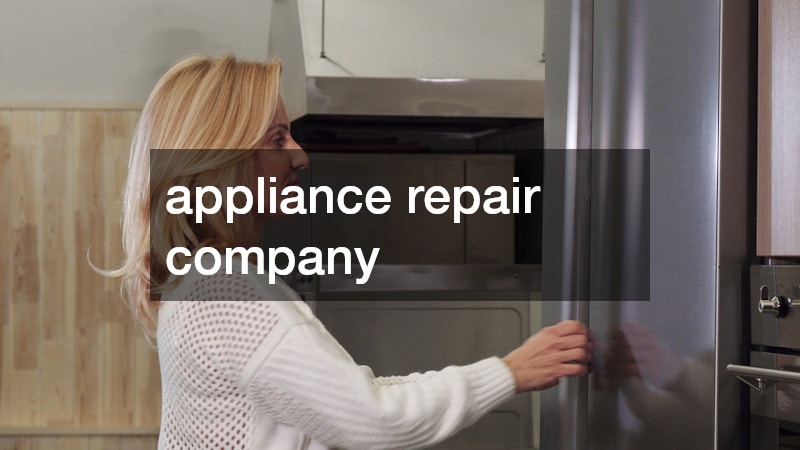
Appliances are a major component of any home remodel, especially in kitchens and laundry areas. Deciding whether to repair existing appliances or replace them is critical for efficiency and cost-effectiveness.
Evaluating Appliances
-
Age and condition: Appliances older than 10-15 years often require more frequent repairs and may lack energy efficiency.
-
Performance issues: Uneven heating, noisy operation, or leaking water indicate the need for professional assessment.
-
Integration with design: Ensure appliances fit the layout and aesthetic planned by your kitchen design services.
Choosing an Appliance Repair Company
-
Select a company with experience in residential remodels and knowledge of your specific appliance brands.
-
Verify licensing, insurance, and warranty coverage for repairs.
-
Confirm that scheduling aligns with construction milestones, such as cabinet installation and countertop finishes.
Coordinating Repairs During Renovation
-
Schedule appliance repairs after cabinetry and flooring are installed but before final countertop and backsplash work.
-
Maintain clear communication between your appliance repair company and kitchen design services to ensure proper fit and functionality.
Taking the time to evaluate appliances and choose the right repair professionals prevents delays and ensures your remodeled kitchen or laundry area functions efficiently from day one.
Section 3: Choosing Plumbing Professionals
Plumbing is a critical component of any renovation, impacting bathrooms, kitchens, and utility areas. Faulty plumbing can lead to water damage, mold growth, and costly repairs if not addressed early.
Assessing Plumbing Needs
-
Inspect pipes and fixtures: Look for corrosion, leaks, or outdated materials like galvanized steel or polybutylene piping.
-
Determine required upgrades: This may include new water lines, drain rerouting, or replacing old faucets and fixtures.
-
Integrate with heating systems: Coordinate with local heating repairs when boilers or radiators are part of the plumbing network.
Selecting Plumbing Companies
-
Check licensing, insurance, and references to ensure professional and reliable service.
-
Evaluate experience with residential remodels, particularly for complex projects like kitchen or bathroom expansions.
-
Confirm ability to work collaboratively with other trades, including HVAC, flooring, and cabinetry.
Scheduling Plumbing Work
-
Perform rough-in plumbing before drywall installation to prevent costly rework.
-
Plan inspections and approvals with local authorities to maintain compliance.
-
Sequence work to coincide with HVAC and heating system updates, ensuring integrated functionality.
By involving skilled plumbing companies early in the remodel, homeowners avoid last-minute delays and ensure that all water and heating systems operate efficiently and safely.
Section 4: Selecting Electrical Contractors

Electrical systems are often overlooked until late in a renovation, but they are essential for safety, functionality, and energy efficiency. Hiring licensed electricians ensures code compliance and seamless integration with other systems.
Evaluating Electrical Needs
-
Inspect wiring, panel capacity, and outlet placement to accommodate modern appliances and HVAC systems.
-
Identify areas requiring rewiring, lighting upgrades, or dedicated circuits for major appliances.
-
Ensure compatibility with HVAC services, smart home systems, and energy-efficient lighting.
Choosing Qualified Electricians
-
Verify licensing, insurance, and experience with residential remodels.
-
Request references for projects involving HVAC integration or complex appliance circuits.
-
Confirm ability to work within renovation timelines and coordinate with plumbing, flooring, and cabinetry work.
Scheduling Electrical Work
-
Install new circuits or wiring before walls and ceilings are closed.
-
Coordinate with HVAC services to ensure proper power supply to heating, cooling, and ventilation systems.
-
Schedule final inspections prior to painting or flooring installation to prevent rework.
Proper coordination between licensed electricians and HVAC services ensures electrical safety and seamless operation of major systems.
Section 5: Flooring and Surface Upgrades

Flooring sets the foundation for your home’s interior aesthetic and durability. Selecting the right professionals ensures quality installation and protection of your investment.
Evaluating Flooring Options
-
Material selection: Hardwood, engineered wood, tile, or luxury vinyl each have unique maintenance requirements and durability.
-
Subfloor condition: Older homes may require subfloor repairs to prevent uneven floors or squeaks.
-
Integration with interior design: Flooring should complement finishes selected by painting contractors and kitchen design services.
Selecting Flooring Companies
-
Choose contractors with proven experience in your chosen materials.
-
Verify warranty coverage for materials and installation.
-
Ensure the flooring company can coordinate with painting contractors to prevent damage to newly installed surfaces.
Scheduling Tips
-
Install flooring after structural, plumbing, and electrical work but before final appliance installation.
-
Protect floors from dust, debris, and paint during ongoing work.
-
Coordinate with painting contractors to allow proper drying and curing without risk of damage.
High-quality flooring installation enhances aesthetics, increases property value, and provides a durable base for the remainder of your renovation.
Section 6: Kitchen and Bathroom Renovation Experts
Kitchens and bathrooms are often the most complex and high-value areas of a remodel. Effective planning and coordination are essential for functionality, aesthetics, and workflow.
Working with Kitchen Design Services
-
Optimize layout for storage, accessibility, and appliance placement.
-
Consider traffic flow, lighting, and ventilation needs.
-
Incorporate plumbing, electrical, and flooring considerations early to avoid conflicts.
Coordinating Appliance Repair Company Work
-
Schedule appliance installations to align with cabinet and countertop installation.
-
Ensure appliance repair companies check connections, venting, and functionality before final finishes are applied.
-
Plan for testing major appliances before project completion to ensure proper operation.
Sequencing Tasks
-
Complete rough plumbing and electrical work before cabinetry and appliance installation.
-
Schedule flooring and painting around cabinet placement to protect finishes.
-
Verify that all appliances integrate seamlessly with design plans.
This careful coordination ensures your kitchen and bathroom remodels are both visually appealing and fully functional.
Section 7: Structural and Concrete Work
Concrete work often supports structural changes, driveways, patios, or flooring modifications. Proper planning ensures durability and prevents damage to finished areas.
Identifying Concrete Needs
-
Foundation adjustments or slab additions for extensions or structural improvements
-
Driveways, patios, and walkways to complement the remodel
-
Integration with flooring transitions or exterior landscaping
Selecting Concrete Pumping Companies
-
Confirm experience with residential projects and precision placement
-
Verify licensing, insurance, and safety protocols
-
Review references and examples of similar projects
Scheduling Concrete Work
-
Perform concrete pours before interior flooring installations to avoid dust and debris contamination
-
Allow proper curing time to prevent cracking or shifting
-
Coordinate with flooring companies for transitions and finishing touches
Properly executed concrete work creates a stable foundation for both interior and exterior renovations.
Section 8: Painting, Finishing, and Decorative Services
Painting and finishing work provide the final visual impact and protect surfaces from wear and moisture. Coordination is critical to prevent damage to newly installed floors and fixtures.
Choosing Painting Contractors
-
Review portfolios to assess quality and style versatility
-
Verify experience with residential remodels and knowledge of surface prep techniques
-
Confirm proper licensing and insurance coverage
Scheduling Painting Work
-
Complete painting after structural, plumbing, electrical, and HVAC work is finished
-
Protect flooring, countertops, and cabinetry during prep and painting
-
Coordinate with flooring companies to allow adequate curing and drying time
Tips for Quality
-
Use primers and paints suited to high-traffic areas for durability
-
Perform touch-ups after flooring installation to cover minor scuffs
-
Inspect final finishes for consistency and coverage
High-quality painting enhances the overall aesthetic, complements flooring and cabinetry, and ensures long-lasting results.
Section 9: Coordinating Multiple Contractors and Scheduling
-
Create a detailed renovation timeline with milestones for each trade
-
Use project management tools to track work completion, deadlines, and dependencies
-
Establish clear communication channels to prevent scheduling conflicts
-
Schedule inspections and approvals strategically to keep the project on track
-
Maintain contingency plans for unexpected delays or repairs
Section 10: Budgeting, Contracts, and Quality Assurance
-
Develop a comprehensive budget including labor, materials, permits, and contingencies
-
Compare contractor estimates carefully and clarify the scope of work
-
Use contracts to define responsibilities, timelines, warranties, and penalties for delays
-
Implement quality checks throughout each stage to ensure standards are met
-
Keep documentation of all completed work for maintenance and future remodels
Choosing the right contractors for a full-scale home remodel is critical to achieving a high-quality, efficient, and cost-effective renovation. By carefully evaluating heating, plumbing, electrical, flooring, kitchen, and decorative specialists, coordinating schedules, and maintaining clear communication, homeowners can avoid delays, reduce stress, and ensure a beautiful, functional outcome. Strategic planning and professional expertise at every stage of the remodel create a durable, safe, and aesthetically pleasing home that will stand the test of time.
